Christian Andre Strand
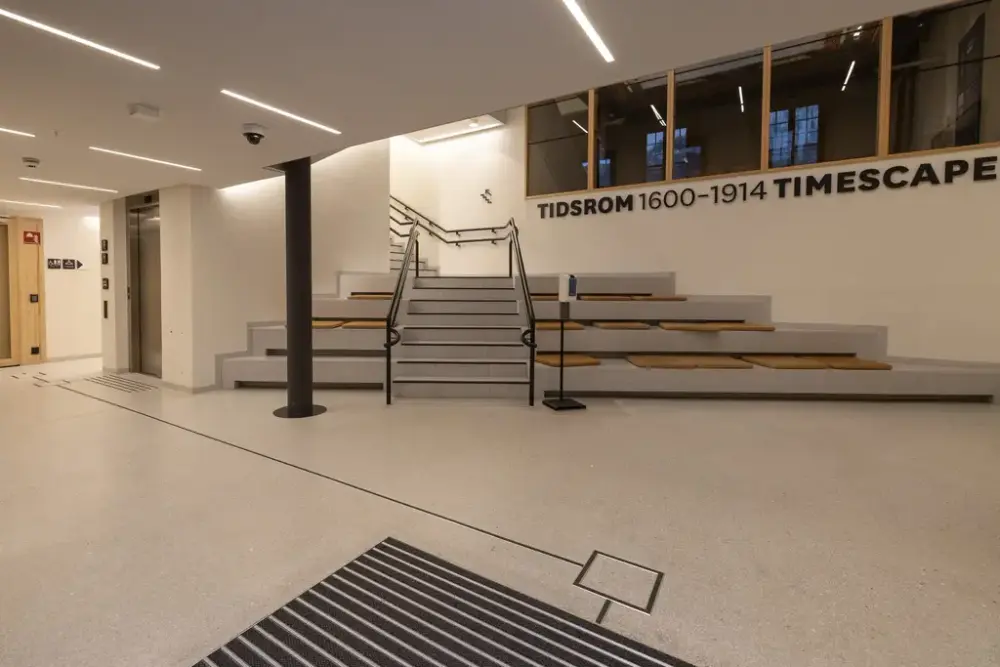
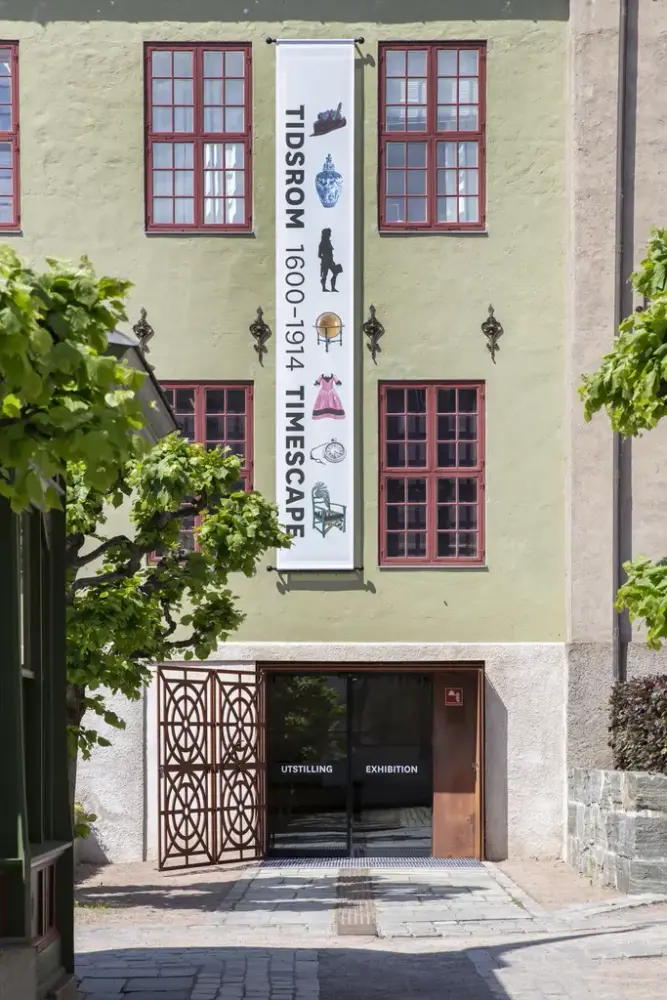
The museum’s open-air site features 160 historic buildings spanning from the Middle Ages to the post-war era. While these structures present natural accessibility challenges, the museum actively works to make cultural heritage open to everyone. Led by museum architect Cecilie Thue, the transformation of the building for the TIMESCAPE 1600–1914 exhibition prioritized equal access from the start.
To ensure the design met real-world needs, the museum collaborated closely with user groups, including organizations representing visually impaired visitors. Key measures integrated into the exhibition include:
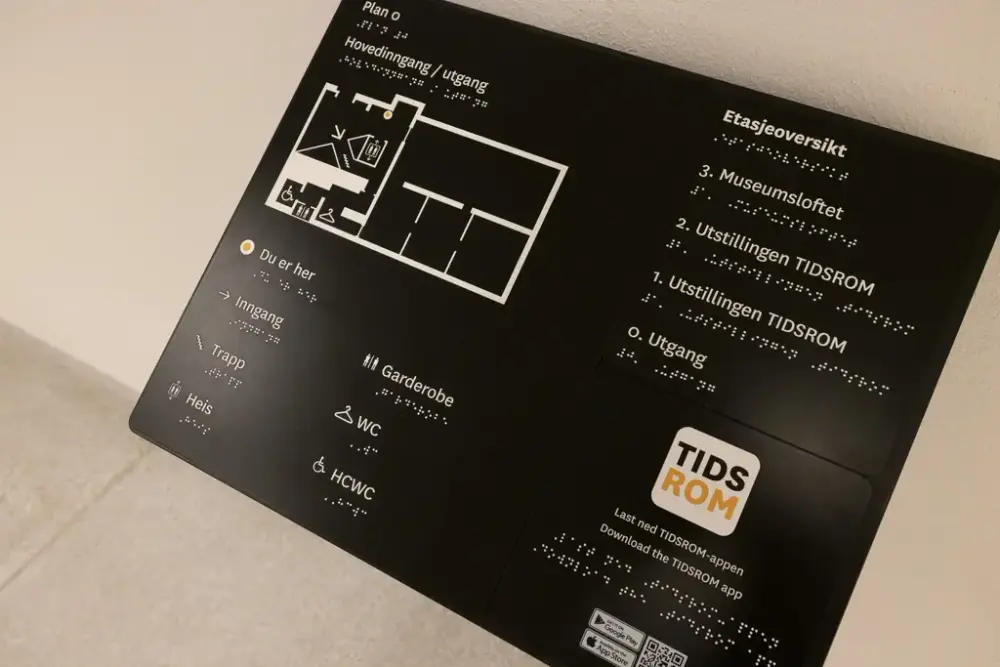
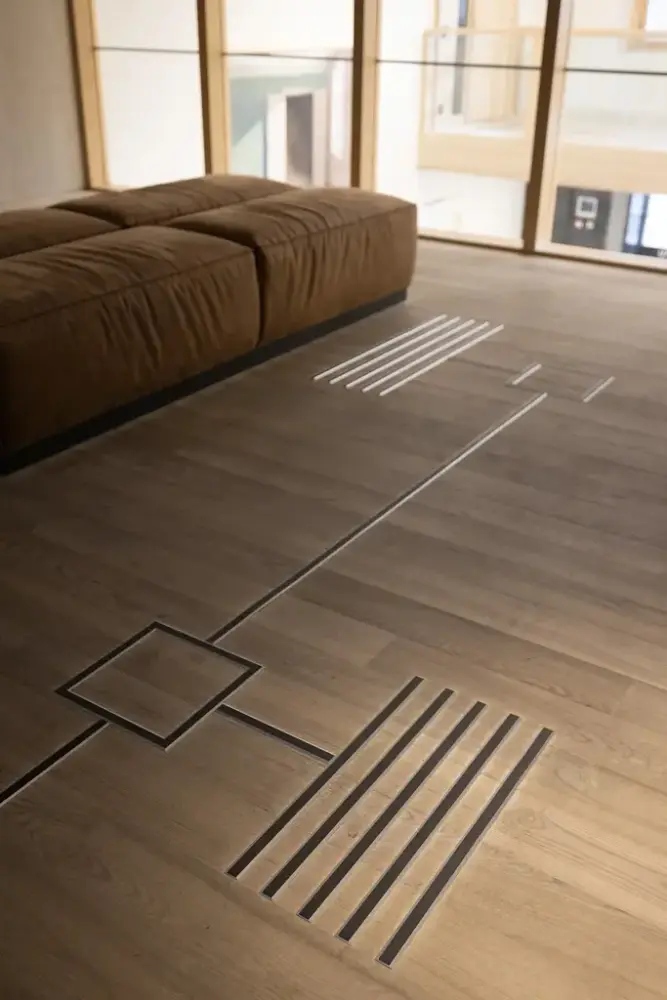
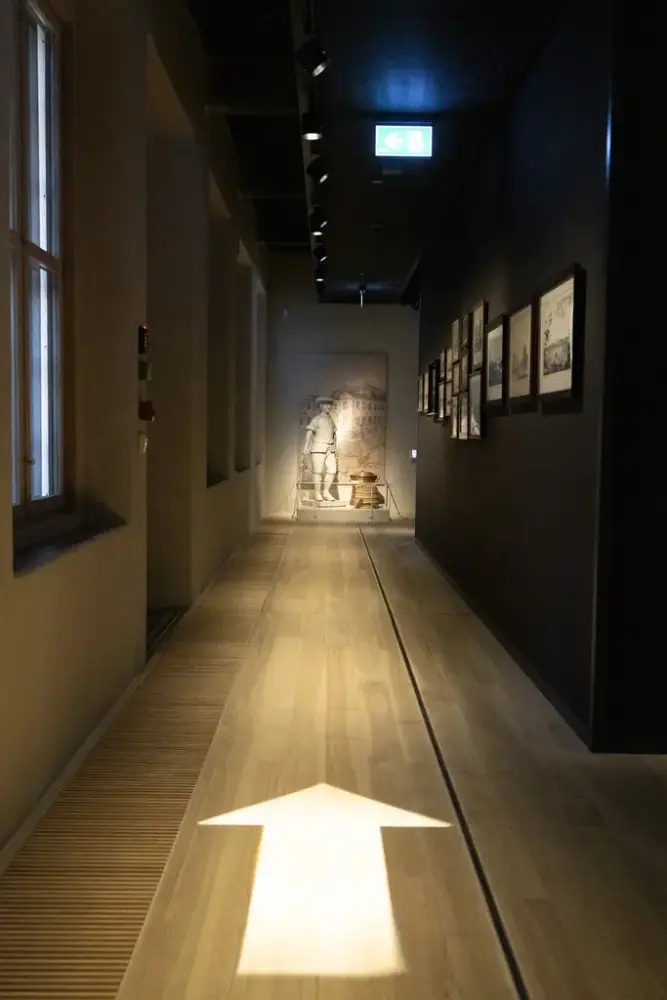
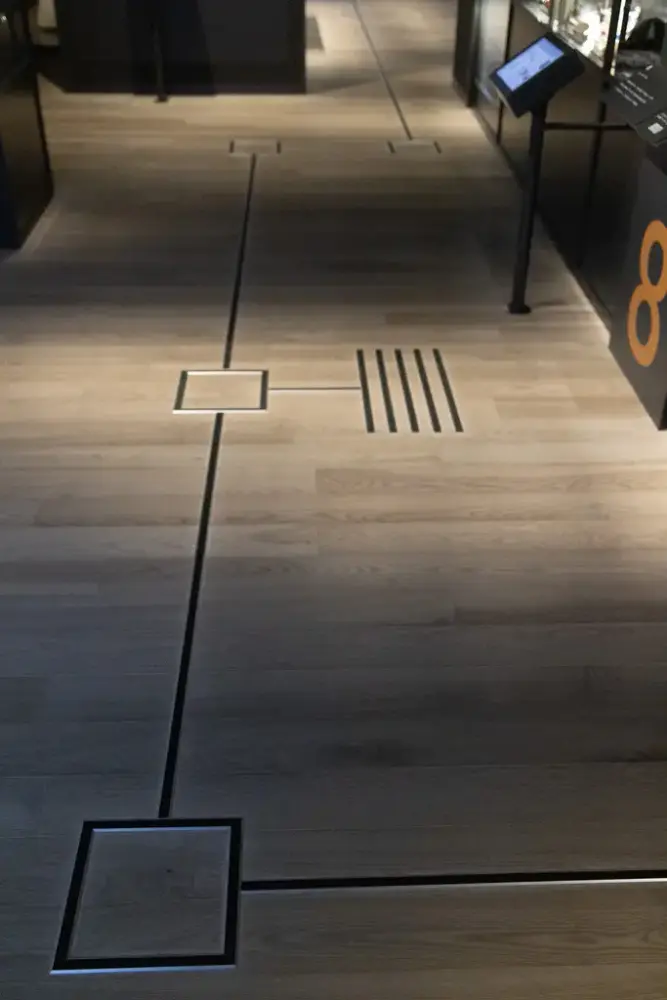
Physical Access & Wayfinding: A new step-free main entrance, elevator, and internal stairs ensure seamless access. Clear pathways, tactile markings, high-contrast colors, enhanced lighting, and accessible floor maps make navigation effortless.
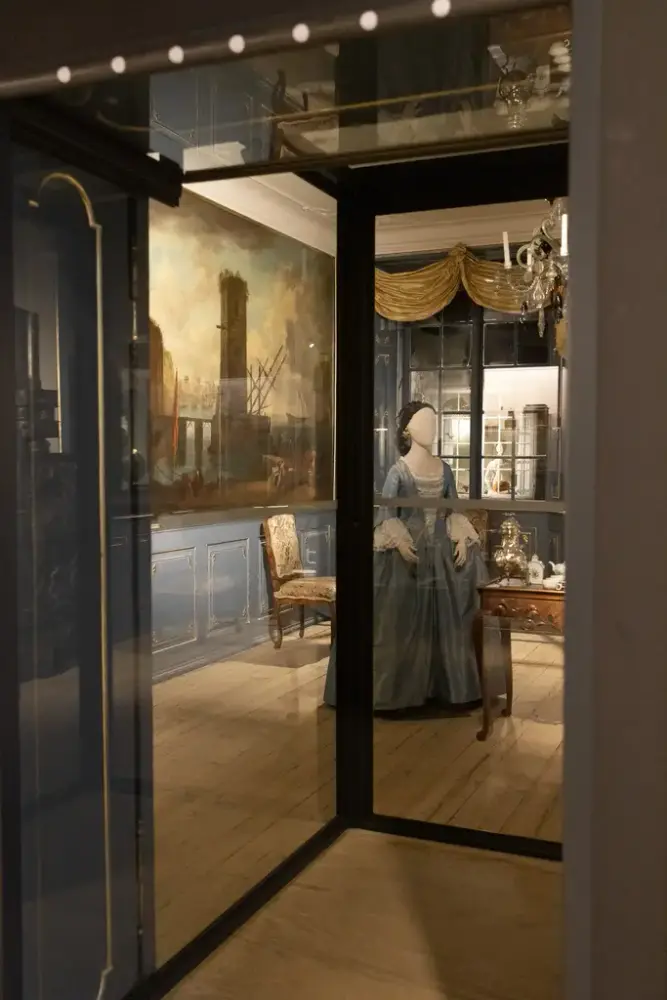
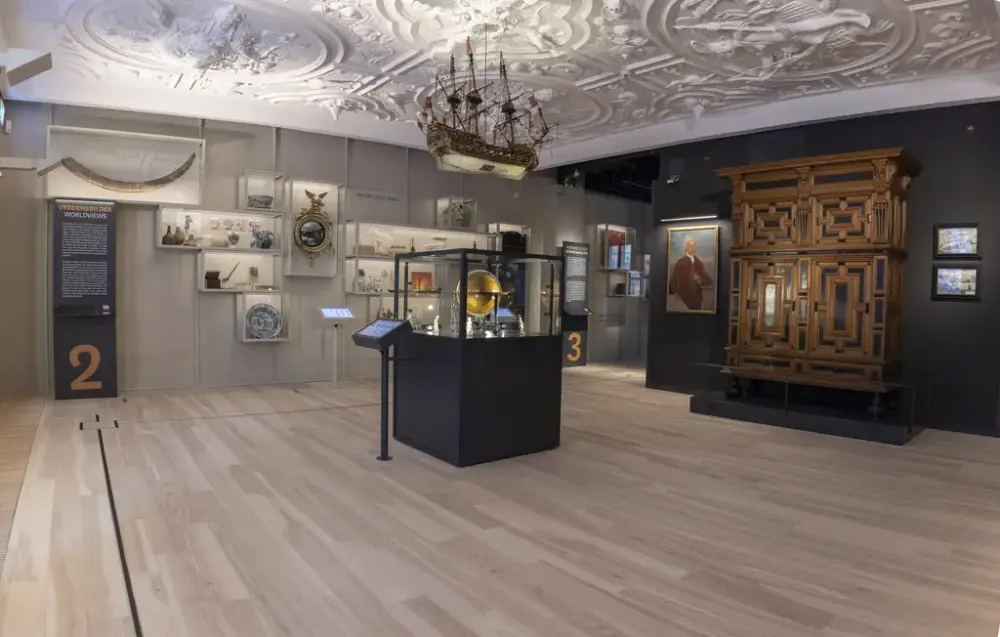
Inclusive Display Design: Low-level display cases accommodate diverse height and mobility needs, with pull-out drawers for fragile objects, alongside integrated rest areas throughout the hall.
Multimodal Engagement: Digital screens present artifact details, while the museum app provides texts, audio files, and video guides in both English and Norwegian.
- 1/8
Stian Nybru - 2/8
Christian Andre Strand - 3/8
Christian Andre Strand - 4/8
Christian Andre Strand - 5/8
Christian Andre Strand - 6/8
Stian Nybru - 7/8
Christian Andre Strand - 8/8
Christian Andre Strand

Recognized with the 2024 IAUD International Design Award
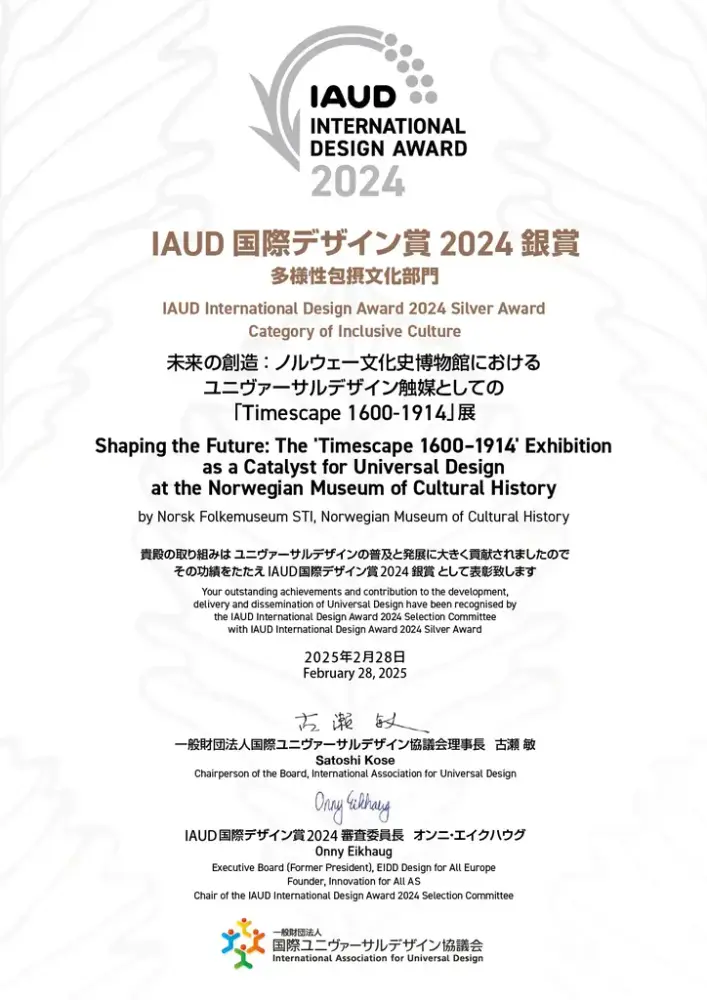
In recognition of these achievements, Norsk Folkemuseum was awarded the Silver Award in the "Inclusive Culture" category at the 2024 IAUD International Design Awards. Granted by the International Association for Universal Design (IAUD)—the only annual global award honoring projects based on universal design principles—the ceremony took place digitally on February 28, 2025, featuring 36 finalists from nine countries.
- 1/1
The TIMESCAPE 1600–1914 exhibition at the Norwegian Museum of Cultural History received the Silver IAUD International Design Award 2024 in the "Inclusive Culture" category for its contribution to universal design. International Association for Universal Design