About the collections
Norsk Folkemuseum was founded in 1894 by Hans Aall (1869–1946) to document everyday life in Norway after the Reformation. The museum’s collections have been built through its own fieldwork and acquisitions, as well as through transfers and deposits from other museums.
In 1906, the Norwegian department of the Ethnographic Museum and the post-Reformation objects from Oldsaksamlingen were deposited at the museum. In 1907, King Oscar II’s Collection — the world’s first open-air museum (established in 1881) — was incorporated into Norsk Folkemuseum.
In 1922, the museum assumed responsibility for the Norges Vel Agricultural Museum, and in 1951 the Sámi Collection was transferred from the Ethnographic Museum. (This is not a complete overview.)
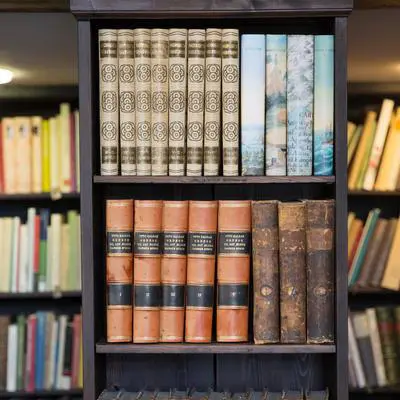
Today, the Sámi collection at the Norwegian Museum of Cultural History consists of approximately 2,600 cultural-historical objects collected between 1860 and 1980. In addition, the museum holds 4,500 photographic records and archival materials relating to Sámi language, history, and cultural conditions, including audio recordings of language samples, joik, and stories from Sámi communities collected during the 1950s and 1960s. The collection also includes a reference library of approximately 2,000 titles.
In 2019, ownership of 1,639 objects was transferred to Sámi museums in Norway as part of the Bååstede project – the repatriation of Sámi cultural heritage – carried out between 2014 and 2019.
For the museum, safeguarding Norwegian cultural heritage involves not only preserving objects, but also maintaining relevant knowledge about their use and production, as well as the associated stories and traditions. Norwegian Ethnological Research (NEG) was established in 1946 to secure such knowledge about the objects and their use. NEG works actively to document intangible cultural heritage through questionnaires, interviews, photographs, and audio recordings. In 2015, Norsk Folkemuseum launched Minner.no, a website dedicated to collecting intangible cultural heritage.
In accordance with an agreement between the Norwegian Pharmaceutical History Museum and Norsk Folkemuseum, the Pharmaceutical Museum’s collections are deposited with Norsk Folkemuseum and are managed in the same manner as the museum’s other collections.